The wildlife we could lose — and what we can do to protect it.
Ireland is often described as a green island.
But beneath the green, something is changing.
Across our coastlines, wetlands, rivers, farmland, woodlands and seas, wildlife is under increasing pressure. Habitats are being lost or degraded. Climate change is altering the places species depend upon. Pollution, invasive species, disturbance and changes in how we use our land and seas are all taking their toll.
Some species are already disappearing from places where they were once familiar.
Others are becoming increasingly difficult to find.
And some are hanging on in just a handful of places.
This is Ireland’s wildlife on the edge.
Meet the species we cannot afford to lose
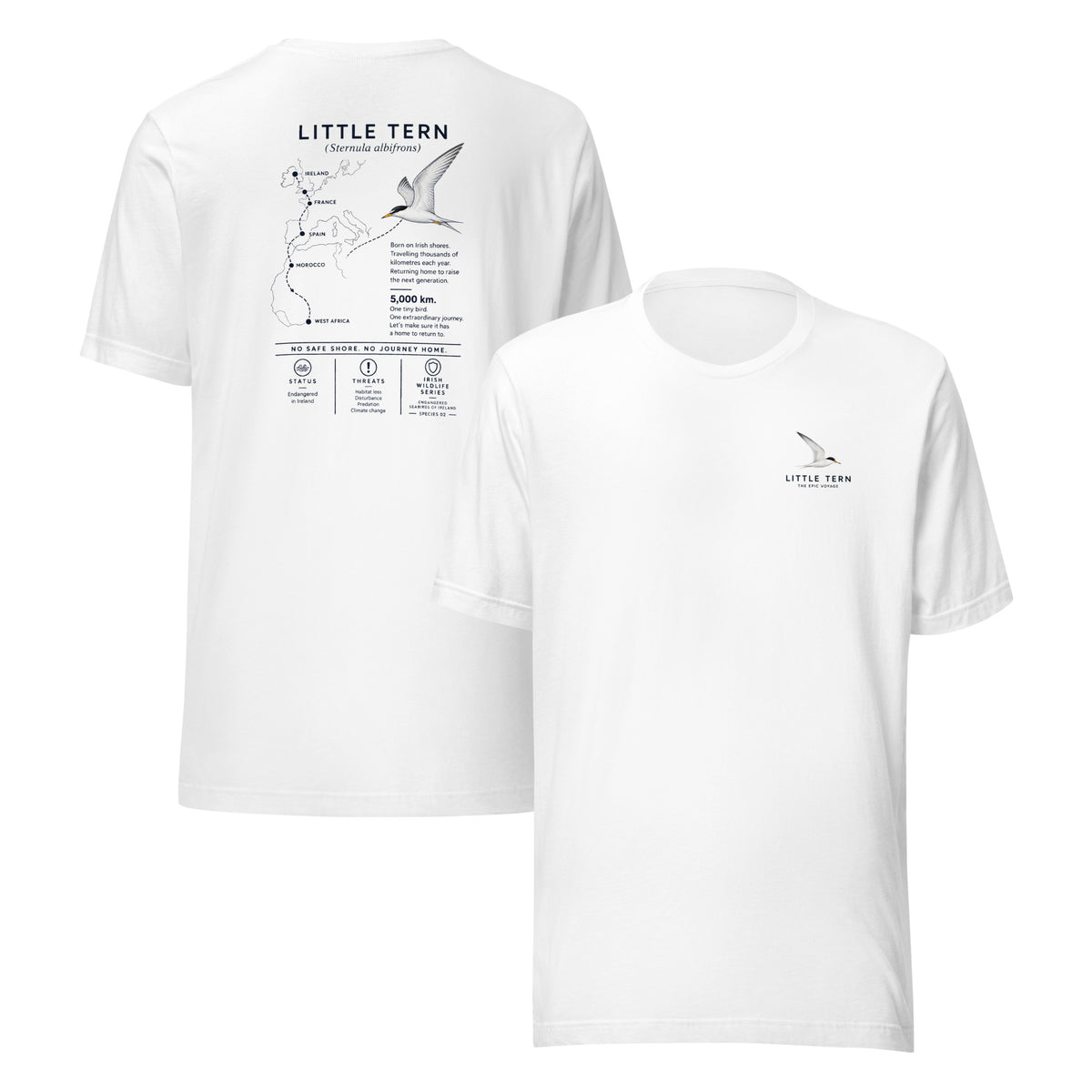
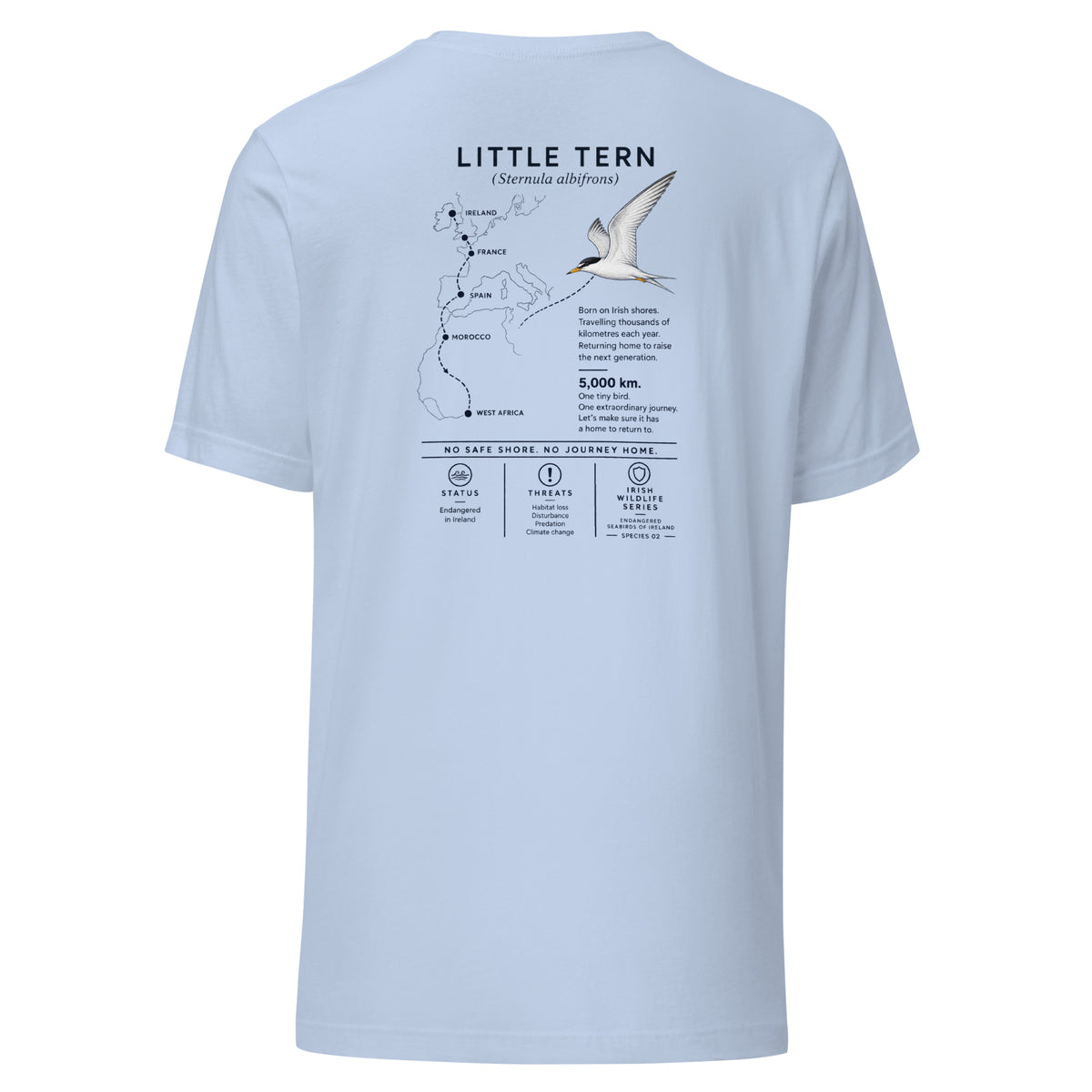
We have created Ireland’s 30 Species on the Edge to introduce you to some of the species facing serious conservation challenges across Ireland.
They are not all famous.
Some may be birds you've seen on a shoreline. Others may live beneath the surface of a river, in a bog, among wildflowers or far out at sea.
Some are immediately recognisable.
Others are species most people have never heard of.
But every one of them has a story.
And every one of them has a role to play.
Why these species matter
Protecting wildlife isn't simply about saving individual animals.
It is about protecting the ecosystems that sustain all of us.
A healthy coastline needs healthy marine life.
A healthy river needs insects, plants, fish and freshwater species.
A healthy landscape needs pollinators, predators, plants and decomposers.
A healthy ocean depends upon an extraordinary web of life, much of which we rarely see.
When a species declines, it can be a warning.
When several species decline together, the warning becomes harder to ignore.
Ireland's biodiversity is part of our natural heritage, but it is also part of the living systems that provide clean water, healthy soils, food, carbon storage, coastal protection and countless other benefits.
When we protect wildlife, we are protecting the systems that support life.
Thirty species. Thirty stories.
There is no single reason why a species becomes threatened.
For some, the problem is habitat loss.
For others, it is pollution, climate change, changes in farming practices, overexploitation, invasive species or human disturbance.
For many species, several pressures are happening at once.
That is why understanding the problem is so important.
Ireland's 30 Species on the Edge is designed to make that understanding accessible.
For each species, we want you to discover:
Who are they?
Learn about the species and the remarkable adaptations that allow them to survive.
Where do they live?
Discover the habitats and ecosystems they depend upon.
What is putting them at risk?
Understand the pressures affecting their survival.
Why does their future matter?
Explore their place within Ireland's natural environment.
And most importantly — what can we do?
Because conservation isn't simply about knowing what is going wrong.
It is about knowing what we can do differently.
From awareness to action
At For The Ocean, we believe that conservation should not feel distant.
You don't have to be a scientist.
You don't have to work for a conservation organisation.
And you don't have to travel to some remote wilderness to make a difference.
Conservation can begin with paying attention to what is happening around us.
- Learning the name of a species.
- Understanding the habitat beside your home.
- Keeping a dog away from a nesting area.
- Reducing pollution.
- Planting native species.
- Supporting conservation projects.
- Taking part in a beach clean.
- Sharing knowledge with a child.
- Choosing where your money goes.
And, sometimes, simply caring enough to notice when something is disappearing.
Small actions become meaningful when enough people take them.
A guide for a changing Ireland
Ireland's wildlife needs more than admiration.
It needs understanding, protection and action.
That is why we've created the Ireland’s 30 Species on the Edge Field Guide.
It is designed to help you discover some of Ireland's most vulnerable species and understand the challenges they face — while showing that conservation is something all of us can be part of.
This isn't intended to be a list of species to feel guilty about losing.
It is a reason to become curious.
A reason to look more closely.
A reason to learn.
And ultimately, a reason to act.
The future isn't written yet
The phrase endangered species can sound like a final verdict.
It isn't.
Conservation has shown repeatedly that when people understand a problem and act together, wildlife can recover.
Populations can return.
Habitats can be restored.
Rivers can be cleaned.
Coastlines can be protected.
And species that once seemed destined to disappear can be given another chance.
That is why “on the edge” matters.
Being on the edge means there is still something we can do.
The question is whether we choose to do it.
Discover Ireland's 30 Species on the Edge
We invite you to explore the guide, discover the species, learn about the places they call home and find out how you can help.
Because protecting Ireland's wildlife isn't somebody else's responsibility.
It's ours.
And the first step is simple:
Know what we're at risk of losing.
Discover the Field Guide
Explore Ireland's 30 Species on the Edge →
Learn their stories.
Understand the threats.
Discover their habitats.
Find out what you can do.
Because every species has a story.
Every habitat has a future.
And every one of us can play a part in protecting it.
About For The Ocean
For The Ocean exists to inspire and empower people to protect wildlife through storytelling, education and action — creating a global community where everyone can understand nature, support conservation and see the impact they make.
Discover more. Learn more. Take action.
For The Ocean.