Irish Wildlife Series | Puffin: Guardian of the Cliffs | Species 04 | For The Ocean
The Puffin: Guardian of the Cliffs
Irish Wildlife Series | Species 04
You see the cliffs first.
Black against the Atlantic.
Waves breaking far below.
Then, somewhere above the sea, a small flash of colour.
A Puffin.
For many of us, the Puffin is the bird that made us fall in love with the coast.
Bright bill. Bright feet. That unmistakable expression.
But behind the character is a remarkable seabird whose entire life is connected to the ocean.
And behind the familiar face is a story about cliffs, burrows, family — and the health of the sea.
This is Species 04.
Puffin — Guardian of the Cliffs.

Born for the Atlantic
The Atlantic Puffin (Fratercula arctica) is built for a life between land and sea.
They spend much of their lives at sea, returning to land during the breeding season.
On Irish islands and coastal cliffs, Puffins gather in colonies and nest in burrows.
On Puffin Island in County Kerry, thousands of seabirds breed among the steep cliffs, with Puffins returning to their burrows during the summer months.
Their colourful appearance makes them one of Ireland's most recognisable birds.
But their lives are anything but simple.
They are ocean travellers.
Fishermen.
Parents.
And survivors of an increasingly changing marine environment.
Photo by Ray Hennessy on Unsplash

One burrow. One chick. One chance.
There is something deeply human about a Puffin colony.
Every summer, adults return to breeding colonies.
They find their way back to burrows in the cliffs and islands.
And each pair typically raises just one chick.
That single puffling becomes the centre of everything.
Food must be found.
The burrow must be protected.
And the chick must eventually make the leap from land into the vast Atlantic beyond.
BirdWatch Ireland records Puffins nesting in burrows on offshore islands and notes that they lay just one egg each year.
One small life.
One extraordinary journey.
One more generation.

Photo by Wynand van Poortvliet on Unsplash
The guardian of the cliffs
The Puffin doesn't rule the cliffs.
It belongs to them.
It shares them with Guillemots, Razorbills, Kittiwakes, Manx Shearwaters and other seabirds.
Together, these colonies form some of Ireland's most important wildlife communities.
Places such as Puffin Island, the Skelligs, the Saltee Islands and the Cliffs of Moher provide breeding habitat for seabirds that depend on the land above the water and the ocean below it. NPWS currently recognises Puffin as a qualifying species at a number of Special Protection Areas, including Puffin Island, the Saltee Islands, the Skelligs and the Cliffs of Moher.
Protecting the Puffin therefore means protecting an entire ecosystem.
The cliffs.
The islands.
The nesting sites.
And the sea.
No fish. No Puffins.
This is where the Puffin story becomes an ocean story.
Puffins need food.
Small fish such as sandeels are an important part of their diet, and changes in marine conditions can affect the availability and distribution of the prey they depend upon. BirdWatch Ireland has highlighted food shortages and changing marine conditions among the major concerns for Puffins.
A Puffin flying back towards its burrow with a beak full of fish is one of the great sights of the Irish coast.
But that image tells us something important.
What happens beneath the surface matters to what happens on the cliffs.
Healthy oceans create healthy seabird colonies.
And healthy seabird colonies are part of a healthy ocean.

The threats don't stop at the shoreline
Puffins face pressures both on land and at sea.
Food shortages.
Changing ocean conditions.
Climate change.
Marine pollution.
Predation at breeding colonies.
And disturbance during the breeding season.
BirdWatch Ireland's current seabird conservation work includes protecting breeding colonies, monitoring populations, addressing invasive predators and reducing disturbance at important sites.
Because sometimes protecting wildlife means simply giving it somewhere safe to live.
A safe burrow.
A quiet cliff.
A healthy sea.
Enough fish.
And the space to raise the next generation.

Ireland's Atlantic guardians
Ireland is an important country for seabirds.
Puffins can be found breeding at sites around the Irish coast, including Great Saltee in Wexford, Skellig Michael in Kerry, Cape Clear and Galley Head in Cork, the Cliffs of Moher in Clare, Tory Island and Horn Head in Donegal and Ireland's Eye in Dublin.
These places are more than beautiful landscapes.
They are nurseries.
Feeding grounds.
Migration routes.
And homes.
The cliffs are alive because the ocean is alive.
Why "Guardian of the Cliffs"?
Because the Puffin has become a symbol of something bigger.
It represents the wild Atlantic.
The cliffs that meet the sea.
The islands that shelter breeding colonies.
And the invisible connection between what happens beneath the waves and what happens above them.
The Puffin is small.
The ocean is enormous.
But their futures are inseparable.
Protect the cliffs. Protect the ocean. Protect the Puffin.
Meet the Puffling
Perhaps the most important part of the Puffin story is the one that is easiest to overlook.
The chick.
Deep inside a burrow, a Puffling waits for its parents to return.
It has never seen the Atlantic.
It doesn't know how far it will eventually travel.
It doesn't know how powerful the waves are.
It simply waits.
And one day, it will emerge.
It will leave the safety of the cliff.
And it will discover the ocean.
That moment represents everything conservation is ultimately trying to protect:
the chance for the next generation to experience a wild world.

Species 04 — Guardian of the Cliffs
The Puffin is the fourth chapter in the For The Ocean Irish Wildlife Series.
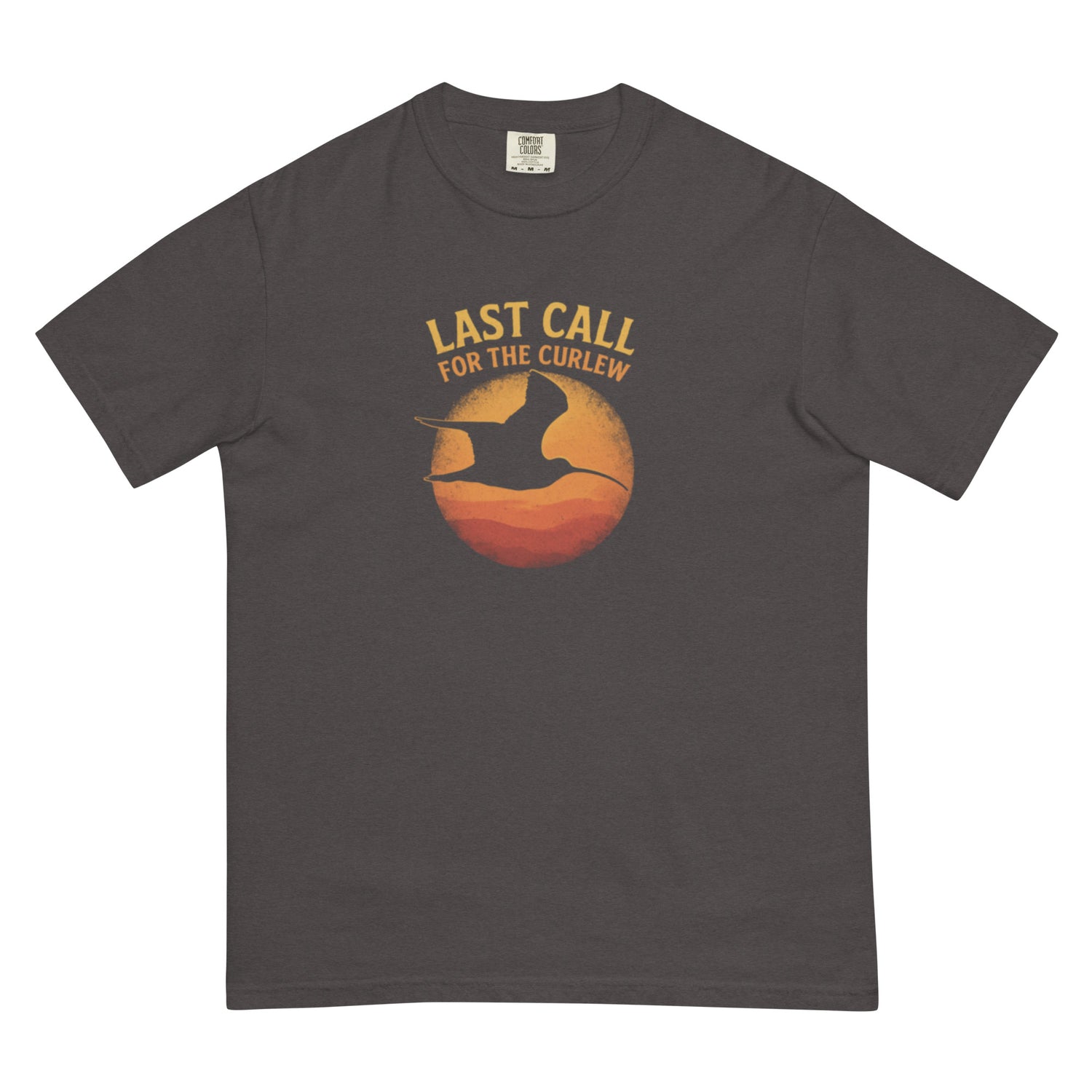
Species 01 — Curlew: Last Call
A disappearing voice from Ireland's countryside.
Species 02 — Little Tern: The Epic Voyage
A tiny seabird making an extraordinary journey between Ireland and Africa.
Species 03 — Roseate Tern: The Rarest Return
One of Ireland's rarest breeding seabirds, returning to protected coastal islands.
Species 04 — Puffin: Guardian of the Cliffs
A seabird whose future depends upon healthy cliffs, healthy colonies and a healthy ocean.
Four species.
Four stories.
One island.
One ocean.
Track the Journey. Measure the Impact. Protect the Future.
For The Ocean was created around a simple idea:
Awareness should lead to action.
We want people to discover the wildlife behind the designs.
To learn the stories.
To understand the threats.
To find the places where conservation is happening.
And, ultimately, to become part of something bigger.
Because wildlife conservation shouldn't feel distant.
It should feel personal.
Something we can see.
Something we can understand.
Something we can participate in.
And something we can be proud to protect.

Give the Puffling a future.
The Puffin is one of Ireland's most loved birds.
But love alone isn't enough.
It needs healthy seas.
It needs abundant food.
It needs safe breeding colonies.
And it needs people willing to protect the places it calls home.
Puffin — Guardian of the Cliffs.
Irish Wildlife Series | Species 04
Track the Journey. Measure the Impact. Protect the Future.
Discover the Irish Wildlife Series
Species 01 — Curlew: Last Call
Species 02 — Little Tern: The Epic Voyage
Species 03 — Roseate Tern: The Rarest Return
Species 04 — Puffin: Guardian of the Cliffs
The story continues.